

This Post: EKGs for Teen Athletes? Why Some High Schools Are Making It Mandatory
Written By: Mary Beth Bock
We’ve all seen the shocking headlines or heard a tragic story about a seemingly healthy high school or college athlete collapsing and dying during football practice or on the basketball court. And although it’s rare, you might be surprised to learn that sudden cardiac arrest is the leading cause of death among young athletes.
The numbers are sobering – The American Academy of Pediatrics, using research from the Centers for Disease Control and Prevention, reports that about 2,000 young people under the age of 25 die each year in the United States from sudden cardiac arrest.
EKGs for Teen Athletes? Why Some High Schools are Making it Mandatory

If you’re not familiar with the term, sudden cardiac arrest (SCA) happens when the heart’s electrical system suddenly stops working the way it should. Instead of beating normally, the heart falls into a dangerous rhythm and can no longer pump blood into the brain and body.
A young person may collapse without warning, lose consciousness, and have no pulse.
Without immediate medical help, the situation can become fatal within minutes.
For parents of young athletes, one of the most unsettling realities is that many of these cases involved heart conditions that had been present from the time the child was born. Often, kids, teens, and young adults are completely unaware they have an underlying heart issue because they’ve felt completely healthy their whole life.
And that’s what makes sudden cardiac arrest so unexpected and scary – it can happen even to active, energetic teenagers who seem perfectly fine.
This is precisely why some high schools across the U.S. are now requiring student-athletes to undergo an electrocardiogram (EKG – also known as an ECG)) to participate in sports. Although it’s not the norm yet, states such as Florida have now implemented a law that takes effect in the 2026-2027 school year, requiring EKG screenings for incoming 9th graders and for students playing a sport for the first time. The goal is to detect hidden heart conditions and help prevent sudden cardiac arrest.
The new requirement represents one of the most significant changes to Florida’s athletic clearance process in years and reflects a growing nationwide emphasis on heart health in youth sports.
What is an EKG?
“An electrocardiogram is a test performed where electrodes are placed on the skin in various parts of the chest and the arms and legs, and these create an electrical impulse in the heart,” said Dr. Jamie Decker, the director of electrophysiology at Johns Hopkins Children’s Hospital.
“When there are abnormalities in either the heart muscle or the way the electrical system in the heart works, you can see that on the EKG. And this may not be something you feel,” he said.
Dr. Decker added, “You can have a totally abnormal EKG and never know it because you don’t have any symptoms, and the first symptom may be a sudden cardiac arrest.” In fact, an EKG can help detect a potential cardiovascular issue before it becomes deadly, and some of the symptoms can manifest when kids are playing active or high-intensity sports.
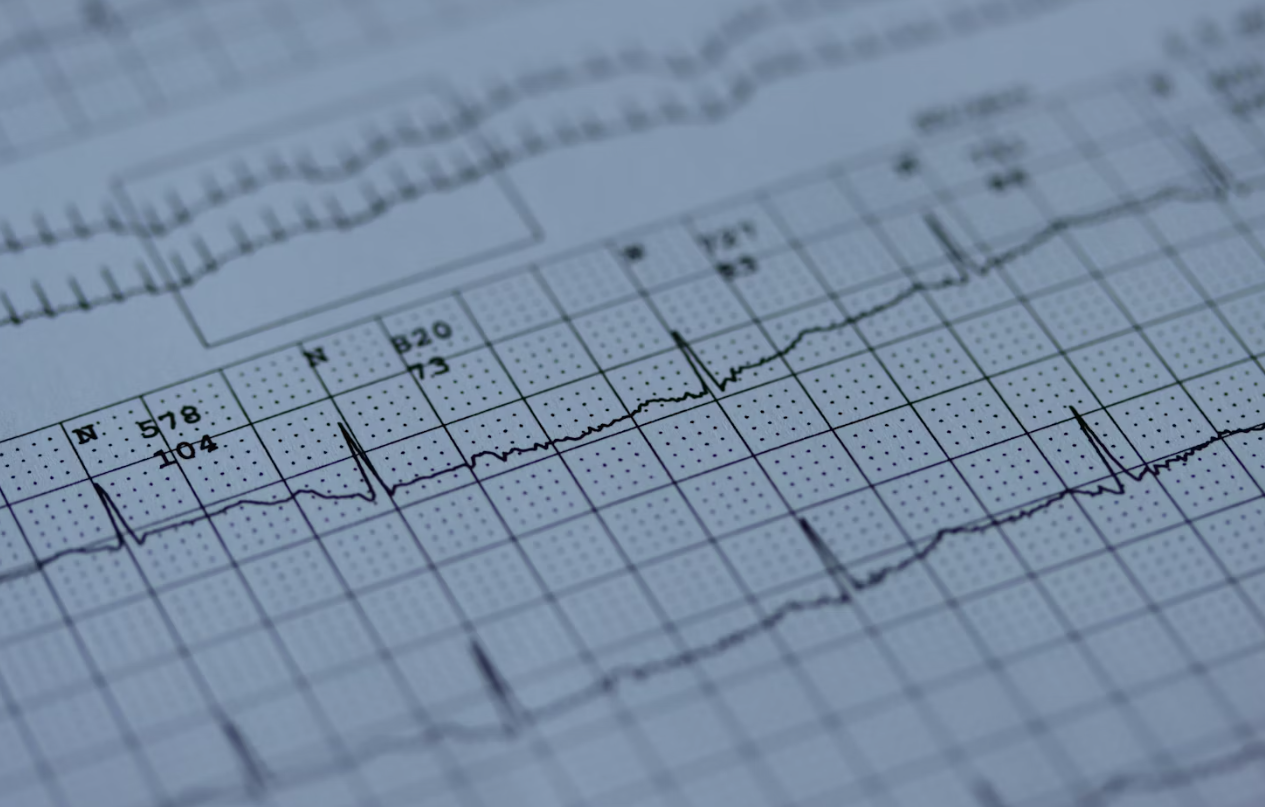
How an EKG Can Identify a Heart Problem Early
While the American Academy of Pediatrics (AAP) does not currently recommend universal EKGs for every high school athlete, some states, like Florida, are insisting on them because EKG testing is significantly more effective at detecting hidden, life-threatening heart conditions than standard sports physicals.
Research shows that EKGs are 5 to 10 times more likely to identify a heart problem than a medical history questionnaire or a typical sports physical.
Be aware that the AAP does advise doing an EKG if a student’s physical exam or medical/family history suggests a risk for sudden cardiac arrest.
This testing is an easy way for a medical professional to identify potentially life-threatening heart conditions that could be triggered by rigorous physical activity – like cardiomyopathy (thickened muscle cells in the heart), myocarditis (inflammation from a viral infection), or Long QT syndrome (abnormal electrical activity in the heart). It can also detect some non-life-threatening heart conditions that are important to treat early because of their longer-term consequences to your teen’s health.
It is important to remember, though, that not all heart abnormalities can be identified with an EKG, and parents need to consider the experience of the person reading the EKG findings.
Cheyenne Beach, MD, a pediatric cardiologist with Yale Medicine, says, “Having an experienced and well-informed EKG reader reduces the rate of false negatives and false positives, thereby improving the overall effectiveness of the EKGs.”
The good news is that screening criteria and effectiveness will continue to improve over time, as more high schools are likely to add this type of cardiac testing before they allow their athletes to play.
Sudden Cardiac Arrest (SCA): Keep This in Mind, Parents

1. Football and Basketball Are the Highest-Risk Sports for SCA in High School Athletes
According to data from the National Institute of Health, these two sports present the highest risk, with the risk being higher in males than in females. Some other high-risk sports include soccer, track and field, cross country, swimming, and baseball, largely because of the high-intensity cardiovascular effort required.
2. Know the Warning Signs of SCA, Whether Your Teen Plays a Sport or Not
If your teen experiences any of the following, you should see a pediatric cardiologist for an extensive cardiac evaluation:
- Chest pain, difficulty breathing, or discomfort during physical activity (seek immediate attention)
- Fainting or near fainting without warning or during physical activity
- Seizure without warning or during physical activity
- Excessive fatigue associated with exercise
- Unusually fast heart rate or rhythm with an unknown cause
3. Don’t Ignore “Small” Complaints
Teens often brush things off, especially athletes who don’t want to miss playing time. But statements like:
- “I just felt weird.”
- “I got dizzy for a second.”
- “My heart was racing.”
can be easy to dismiss and shouldn’t be.
Encourage your teen to speak up and take their body seriously.
4. Most Cases of SCA Happen Without Warning
One of the hardest truths for parents is that many teens who experience sudden cardiac arrest have no prior symptoms at all. That’s why awareness, preparedness, and quick response are so critical, even if your teen seems completely healthy.

5. Sports Physicals Aren’t Just for Athletes
Doctors point out that even kids who don’t participate in an organized sport can benefit from a sports physical, which can be done during their annual well-child visit.
While an annual physical is a comprehensive checkup of your teen’s overall health, including growth, developmental milestones, immunizations, and general wellness, a sports physical is a somewhat different exam, focused solely on an athlete’s physical readiness to safely play sports and assessing their overall injury risk.
6. Know Your Family’s Medical History
If you haven’t already, talk to your family members on each side about their medical history. Because some cardiac conditions can be present without any symptoms, you should be aware of any family members who have heart disease or who died unexpectedly before age 50.
7. Ensure Your Teen’s High School Athletic Department is Prepared for Emergencies Such as SCA
Does your teen’s coaching staff discuss emergency action plans with the team and the parents? Is there always an automated external defibrillator (AED) present, along with someone trained in CPR and the use of AEDs, on the sidelines of all sports events? The American Heart Association recommends that an AED be used within five minutes of a collapse, so a quick response is critical.
8. This Isn’t About Fear – It’s About Awareness
It’s easy for this topic to feel overwhelming, but the goal isn’t to make you anxious – it’s to help you feel informed and prepared. The chance of your teen experiencing SCA may be minimal, but knowing what to look for and how to respond can make all the difference should a situation arise.
Lastly, remember that although sudden cardiac arrest in young people is not common, even one life lost is too many.
Your family can take steps that help reduce the risk of these tragedies, such as knowing your family history, being aware of warning signs, scheduling regular well-child visits and sports physicals, and encouraging CPR and AED training in your teen’s school and club sports communities.
For more information about screening young athletes and SCA, check out the Sudden Cardiac Arrest Foundation.

Marybeth Bock, MPH, is a Mom to two young adults and one delightful hound dog. She has logged time as a military spouse, childbirth educator, college instructor, and freelance writer. She lives in Arizona and thoroughly enjoys research and writing, as long as iced coffee is involved. Her work can be found on numerous websites and in two books. Follow her on Facebook and Instagram.
If you enjoyed reading “EKGs for Teen Athletes? Why Some High Schools are Making it Mandatory,” here are a few other posts you might enjoy:
When Our Teen Wants to Quit a Sport: A Lesson from Olympic Athletes
